 The eastern copperhead (Agkistrodon contortrix), [3] also known simply as the copperhead, is a widespread species of venomous snake, a pit viper, endemic to eastern United States of America; it is a member of the subfamily Crotalinae in the family Viperidae.
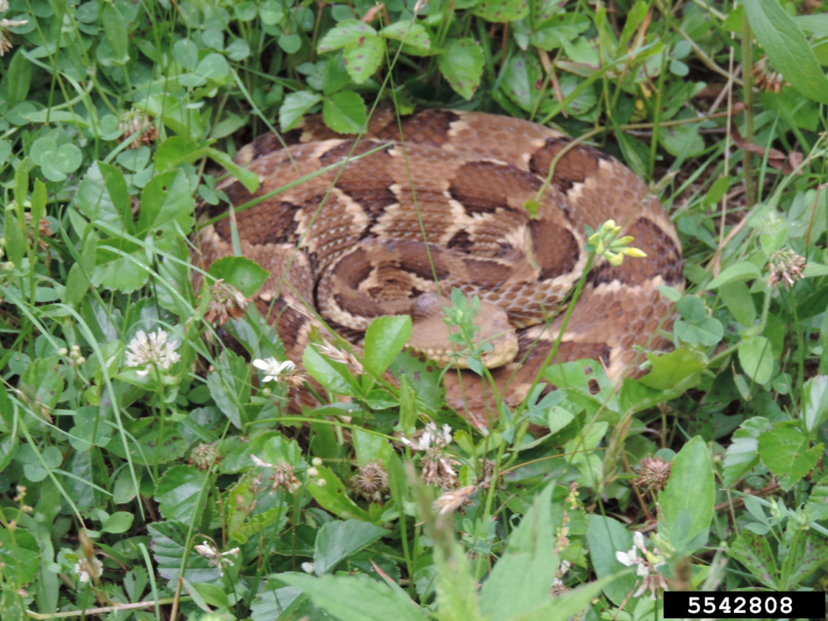 There are several ways to identify a copperhead. Once you are familiar with these key characteristics, you’ll be able to successfully distinguish between the copperhead and other venomous and nonvenomous snakes in the area.
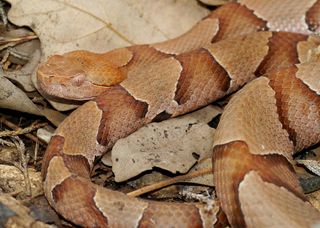 North American copperheads are pit vipers — snakes that have heat-sensitive pit organs between the eye and the nostril on each side of their head. These pits detect minute differences in...
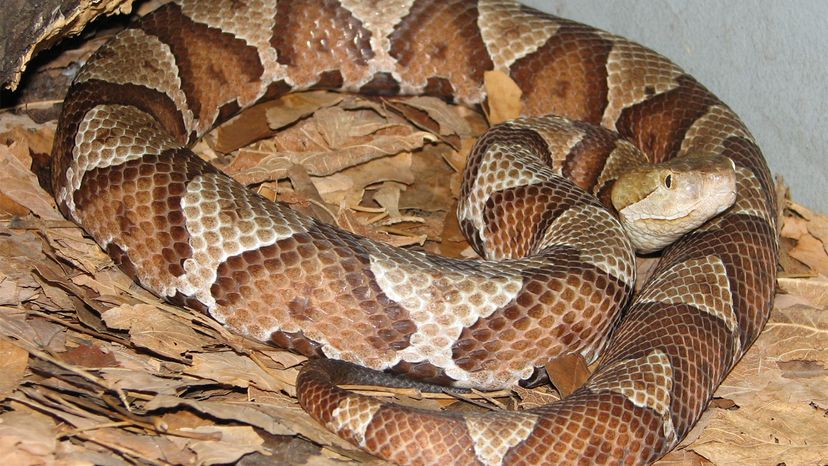 The copperhead snake (Agkistrodon contortrix), also called the eastern copperhead, is a venomous snake that is endemic to the United States, with a habitat that covers nearly all of the Atlantic seaboard from Georgia to Connecticut and from western Florida to western Texas.
 Coiled beneath a fallen log in the Appalachian foothills, a copperhead snake lies motionless, its bronze-hued scales catching dappled sunlight. This master of camouflage represents one of North America's most misunderstood predators—feared yet fascinating, common yet remarkable.
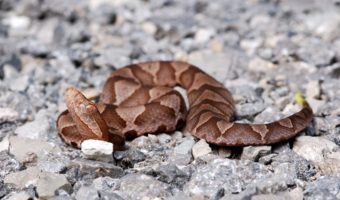 The Copperhead Snake (Agkistrodon contortrix) is shorter than both the Coral snake and the Cottonmouth snake. The Copperhead Snake is the most often encountered snake in Eastern parts of the United States such as Alabama, Missouri and Arkansas.
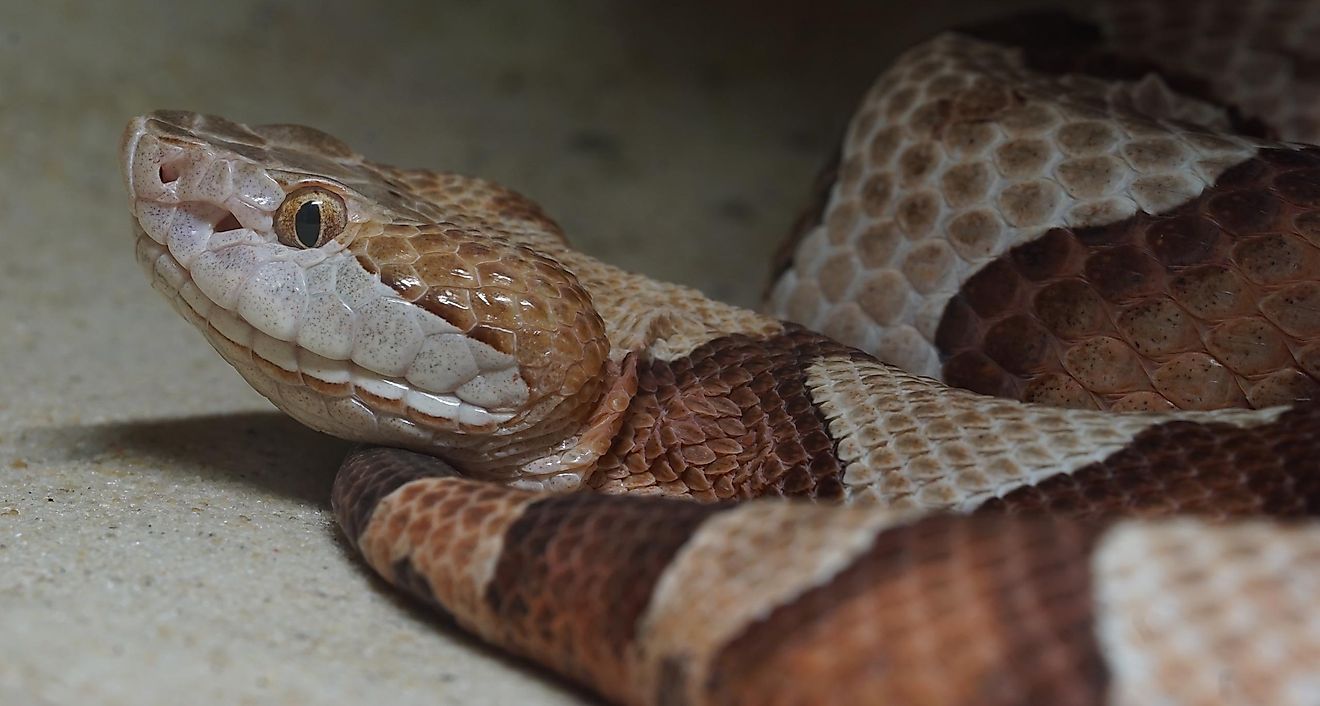
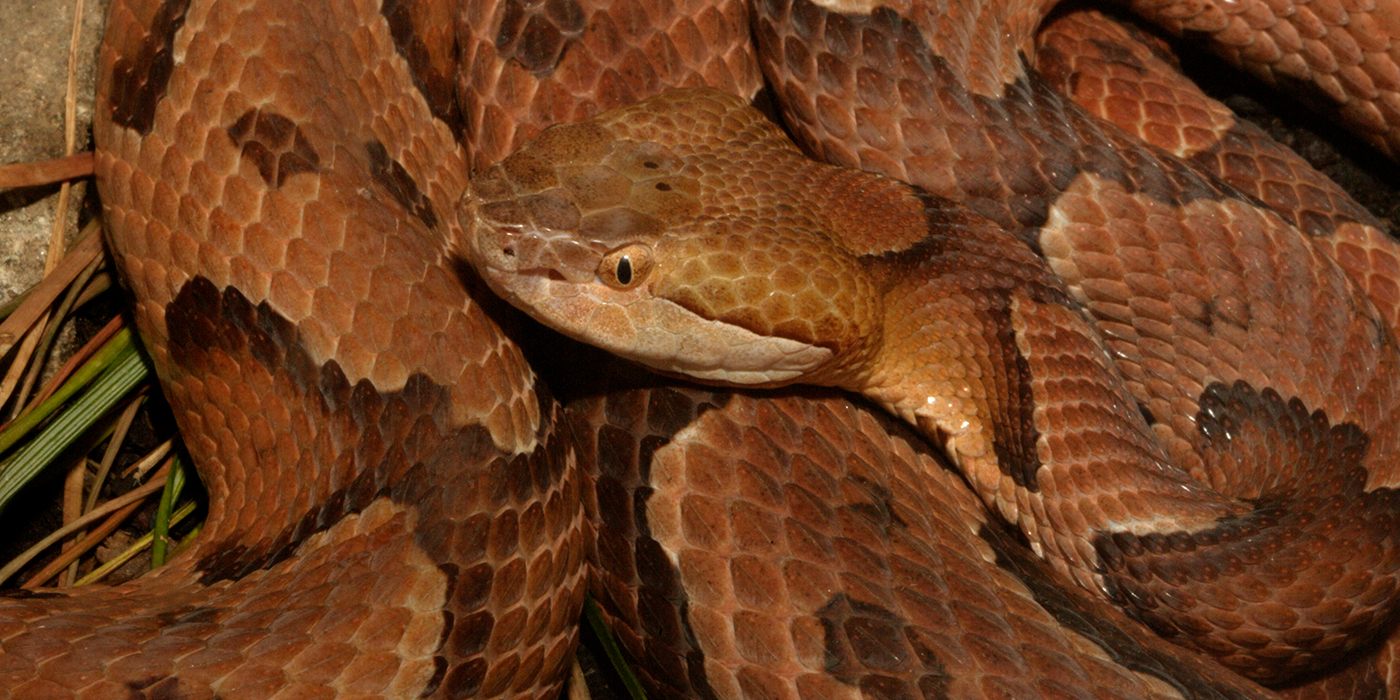 The copperhead is a pit viper and, like others pit vipers, it has heat-sensitive pit organs on each side of its head between the eye and the nostril. These pits detect objects that are warmer than the environment and enable copperheads to locate nocturnal, mammalian prey.
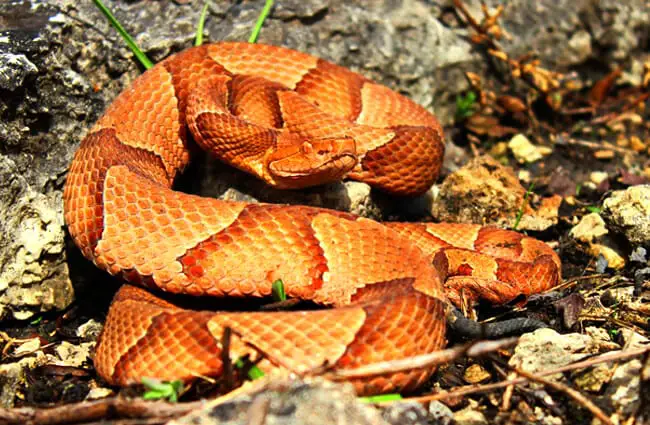 The copperhead, a name evoking images of burnished scales and secretive habits, is a fascinating venomous snake found throughout eastern and central North America. Often misunderstood and feared, this reptile plays a vital role in its ecosystem.